
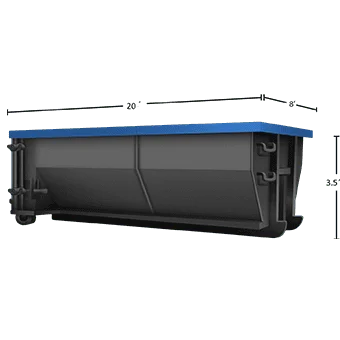
Describe materials before choosing a container
The material matters as well as the amount of visible debris. Tell the provider what the project produces and how it will be loaded.
Explain whether the request involves a household clearing, renovation, construction or another activity. Identify dense materials separately from bulky items and disclose anything needing an acceptance decision.
Ask which materials are permitted, how loading and weight conditions apply and what disposal is included. Do not assume a volume estimate alone determines the suitable container or terms.
Keep the standing area and handling route usable
Obtain permission for the proposed location and explain the surface and approach. Have the provider assess the space needed to place and later handle the offered container.
Identify who loads it and how other deliveries or parked vehicles affect the route. Loading labour is a separate question, and an apparently open area may not provide the required handling access.
Agree the end of loading and collection
Ask about the loading limits and collection request process before work begins. Keep the container and approach ready under the agreed conditions rather than adding material after a pickup has been arranged.
The quote should identify container, dates, accepted materials, weight and loading terms, transport and disposal. Portable-toilet waste and used washing water require separate arrangements.
Questions before you book
Is a visible volume estimate enough for a quote?
Describe the material types as well, especially dense debris, and ask how loading and weight conditions apply.
Does container rental include loading labour?
Confirm that separately; it should not be assumed from the delivery of a container.