
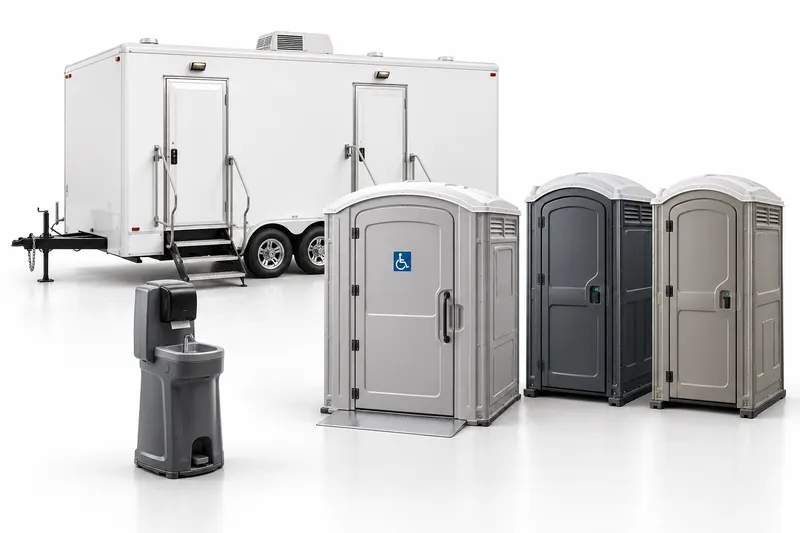
Describe each occupied point
Give the users and hours at the actual ball-park, downtown or other approved location. Identify permanent bathrooms available to those users and the gaps in toilet, washing and accessible functions.
Discuss approved equipment positions and vehicle approaches separately. A pedestrian route, even when confirmed, does not prove that a delivery or service vehicle may use it.
Verify the connection on the ground
A future trail connection can help frame questions about a programme, but it should not be used as present-day access instructions.
The 2023 Singing River Trail master plan proposes a Town Creek ball-park-to-downtown connection with an AL-101 crossing and a section dependent on an easement. Those proposals do not establish a completed crossing or current access rights.
Ask the responsible organiser or property contact which route now connects the activity areas. If the programme occupies separated locations, discuss whether facilities are needed at each rather than assuming everyone can follow the planned connection.
Coordinate the distributed arrangement
Name a contact for each occupied location and a person who can coordinate scope changes. Agree cleaning, supply checks, tank care and used-water handling without leaving a separated facility unmonitored.
Ask the quotation to identify quantities, dates, transport and collection for each position. Review the plan again if the actual route or programme changes.
Questions before you book
Can the master-plan crossing be used as current directions?
No. Confirm completed, authorised routes and current conditions with the responsible contact.
Does a connected walking route eliminate a second equipment location?
Assess actual user access, distance, activity hours and existing bathrooms before deciding the layout.