
Support the crews through changing phases
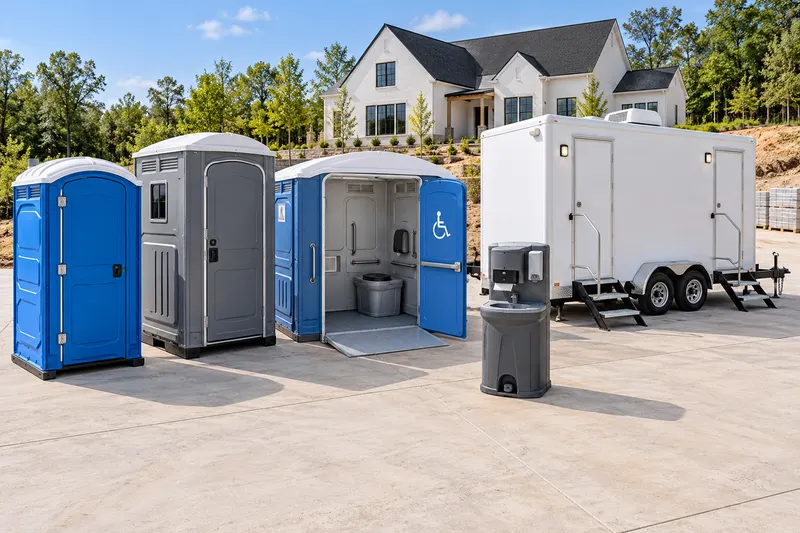
Explain workforce levels, overlapping trades and bathroom access available from nearby buildings. Standard cabins, handwashing and suitable accessible provision should match actual users and site conditions.
Ask about model features and the provider’s service approach. A convenient initial position can become unsuitable when a new work face opens, so agree how any move will be reviewed rather than moving equipment informally.
Turn the project context into a site discussion
A project announcement describes an intention. Equipment placement needs the work area, crew pattern and access arrangements that are actually in effect.
The Singing River Trail organisation’s 2024 project account describes grant-supported historic-downtown redevelopment in Leighton. It does not establish which phase is active now or which contractor controls a specific space.
For related work, obtain the current work boundary and unloading plan from the project contact. Identify a restroom position that will remain usable when materials arrive or the crew moves to another section.
Carry the arrangement through the last phase
Name the contact who reports schedule changes, checks supplies and keeps the service route open. Confirm cleaning, waste care and washing-water responsibilities for the whole use period.
Ask the quote to state dates, equipment, service and transport. Coordinate final collection with the last crew’s needs and the return of the occupied space, not simply the announcement’s anticipated completion.
Questions before you book
Does the 2024 account show that work is underway now?
No. Confirm the present work phase and responsible contact directly before making arrangements.
Can units be moved as the work area changes?
Discuss proposed moves with the provider and site controller so placement, access and service remain agreed.